Photography
Five Phone Photography Habits That Make Home Food Look Delicious
You do not need a camera, a lightbox or a marble slab. You need one window, a clean edge and the discipline to shoot before you sit down to eat.
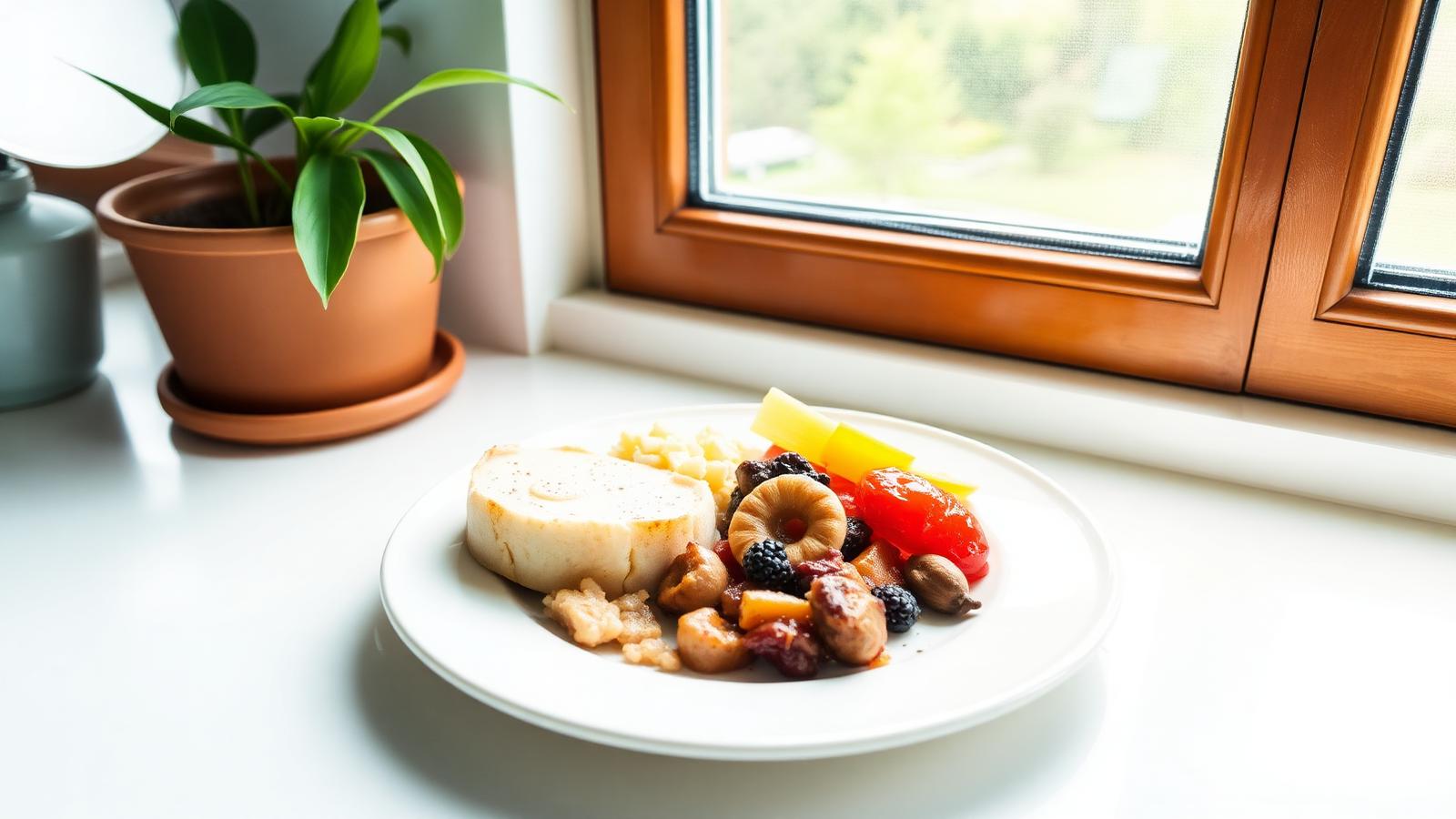
The recipes that travel furthest on Simmer are rarely the fanciest — they are the ones you can see clearly. A phone from the last five years is more than enough camera. What separates a flat, grey plate from one that makes people hungry is light, angle and a little patience before the first bite.
1. Turn off the kitchen light and move to the window
Ceiling bulbs cast an orange tint and hard shadows straight down onto the food. Daylight from the side is softer and shows texture. Put the plate on a chair, a stool or a chopping board and carry it to the brightest window in the house — even on an overcast day it beats artificial light.
If the shadow side looks too dark, prop a sheet of white paper or a baking tray opposite the window to bounce light back. That one trick does most of what a professional reflector does.
2. Pick the angle the food is shaped for
Flat food — soups, curries, sheet-pan dinners, salads — photographs best straight from above. Tall food with layers — burgers, cakes, stacked pancakes — needs a side-on or 45-degree angle so you can see the build.
Get closer than feels natural. Fill the frame with the plate and cut the edges off; a distant plate on a big empty table looks lonely, not styled.
3. Style with the ingredients you already used
A few reserved herb leaves, a wedge of the lemon you squeezed, a scatter of the toasted seeds — those belong in the shot because they belong in the dish. Props from a different meal read as fake immediately.
Wipe the rim of the plate with a piece of kitchen roll. Nothing makes food look sloppier than sauce fingerprints, and nothing is faster to fix.
- Wipe the plate rim.
- Add one fresh element for contrast — herbs, chilli, citrus zest.
- Leave some empty plate; crowded plates photograph as a single blur.
4. Shoot while it is steaming
Food looks best in the first two minutes. Sauces dull, greens wilt, melted cheese sets. Have the plate, the surface and the window sorted before you serve, then take the photo and eat it hot.
Take ten frames, not one. Move the plate a few centimetres between shots, try one overhead and one at an angle, and choose later.
5. Edit gently, never heavily
In your phone's photo editor, nudge exposure up slightly, lift shadows a touch and add a small amount of warmth. Stop there. Heavy saturation turns tomatoes plastic and makes cooks distrust the result.
Crop to a square or 4:5 portrait — both fill more of the screen for anyone scrolling on their phone, which is where most people will find your recipe.